
Tesla Cuts Prices Again, Accelerating Adoption of Electric Vehicles:
Tesla, the world-renowned electric vehicle maker, has made news once more by lowering the pricing of its Model 3 and Model Y automobiles. The move is intended to boost sales and promote consumer adoption of electric vehicles. This is the latest in a long line of price decreases by Tesla, which has worked relentlessly to make electric vehicles more affordable to the general public.
Tesla CEO Elon Musk announced the price decrease on Twitter, stating that the business was "lowering the price of Model 3 & Y, while boosting energy density of cells for both." The revised pricing are effective immediately and vary according to model and area.
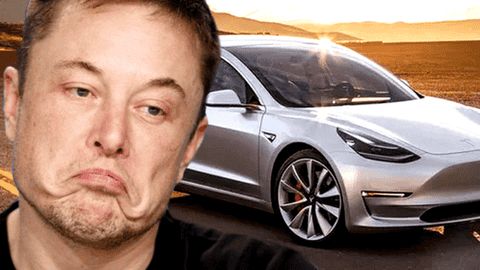
The Model 3, Tesla's most inexpensive vehicle, will now start at $34,990, a $1,000 decrease from the prior price. Likewise, the Model Y, the company's mid-sized SUV, will now begin at $39,990, a $2,000 decrease from its prior pricing. These large price drops make Tesla's automobiles more affordable for those who have been hesitant to switch to electric vehicles due to their higher price point.
Tesla's move to lower pricing is unsurprising, given how competitive the electric vehicle market has gotten in recent years. Other automakers, including Ford and General Motors, are also attempting to develop affordable electric vehicles that can compete with Tesla. Tesla intends to maintain its position as the industry leader in electric vehicles by lowering pricing and expanding its customer base.
Furthermore, the price reduction come at a time when Tesla has been dealing with supply chain issues, notably a scarcity of semiconductors, which has hurt manufacturing and sales. Tesla's plan to drop prices could be an attempt to stimulate sales during a period when vehicle manufacturing and delivery may be slower than usual.
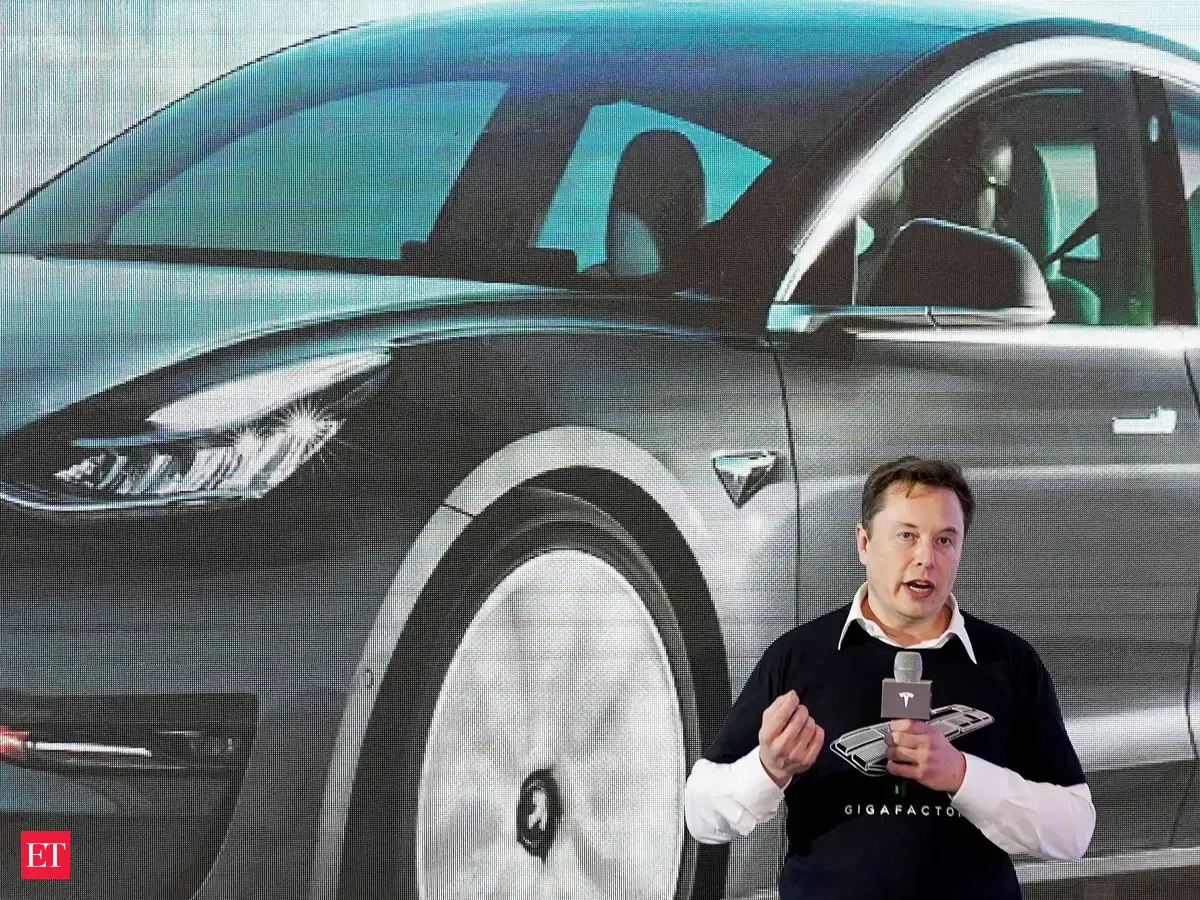
Tesla's price cutbacks were also positively greeted by investors, with the company's shares increasing by more than 4% following the announcement. This suggests that investors are confident in the company's capacity to maintain its market position and expand its client base in the electric car sector.
Aside from price reductions, Tesla has been working on enhancing the energy density of its batteries, which will allow for longer driving ranges and faster charging times. This is a significant achievement because range anxiety has been a significant obstacle to the adoption of electric automobiles. Tesla is making its vehicles more practical and convenient for users by increasing the energy density of its batteries.
Tesla's pricing cut also accords with the Biden administration's goal of promoting electric automobiles and lowering greenhouse gas emissions. The administration has proposed a $174 billion investment in electric vehicles, including money for battery R&D. Tesla's price decreases show that the company is committed to achieving this goal and assisting in the transition of the transportation industry to cleaner energy sources.
Yet, it is vital to remember that Tesla's price decreases may have an immediate impact on the company's profitability. Lower pricing imply lower margins, and Tesla has faced investor pressure to maintain continuous profitability. Yet, increasing sales and market share may overcome the short-term impact on profitability in the long run.
Another consideration is how other automakers will react to Tesla's pricing decreases. Competitors may feel compelled to lower their own pricing in order to remain competitive, perhaps resulting in a price war in the electric vehicle market. This could eventually help consumers by allowing them to purchase electric automobiles at even reduced prices. Nonetheless, it may have an influence on automakers' profits and delay the development of new technology.
It is also worth mentioning that Tesla's pricing decreases may have broader consequences for the whole automobile sector. Traditional automakers have been sluggish to embrace electric vehicles, with several only recently beginning to build their own electric vehicle options. Tesla's success in the electric vehicle market has prompted other automakers to invest in electric vehicle technology and produce their own versions.

Tesla is making electric vehicles more accessible to consumers and raising demand for electric vehicles by lowering pricing. This could hasten the transition to a more sustainable transportation industry while reducing reliance on fossil fuels. Because transportation is a major source of greenhouse gas emissions and air pollution, this might have far-reaching consequences for the environment and human health.
Furthermore, Tesla's price decreases could have an impact on the energy sector. Demand for power is expected to rise as electric vehicles become more inexpensive and widely accepted. This could accelerate the development of renewable energy sources like wind and solar power, which can offer clean and sustainable energy to power electric vehicles.
To summarise, Tesla's move to lower electric vehicle prices is a big milestone for the automotive industry and the environment. The price reduction are expected to boost Tesla's sales and market share, and they may put pressure on other automakers to lower their pricing as well. While there may be short-term financial consequences, the long-term benefits of greater sales and a broader consumer base are likely to exceed these worries.

Tesla's goal to increasing electric vehicle adoption coincides with public demand for cleaner, more sustainable transportation. Demand for power is expected to rise as electric vehicles become more inexpensive and widely accepted. This could encourage the development of renewable energy sources that can deliver clean electricity.
Furthermore, Tesla's success in the electric vehicle industry has encouraged other manufacturers to invest in electric vehicle technology and create their own electric vehicle models. Tesla is accelerating the shift to a more sustainable transportation sector and lowering reliance on fossil fuels by making electric vehicles more accessible and broadly embraced. Because transportation is a major source of greenhouse gas emissions and air pollution, this might have far-reaching consequences for the environment and human health.

Overall, Tesla's decision to lower electric vehicle prices is a good thing for the electric vehicle market and the environment. It reflects Tesla's dedication to make electric vehicles more accessible and affordable to everyone, as well as to promoting electric vehicle adoption as a means of decreasing greenhouse gas emissions and supporting sustainability. As the electric car market evolves, Tesla's price decreases serve as a reminder that the firm is eager to adapt and innovate in order to maintain its position as an industry leader and push progress towards a more sustainable future.


No comments:
Post a Comment